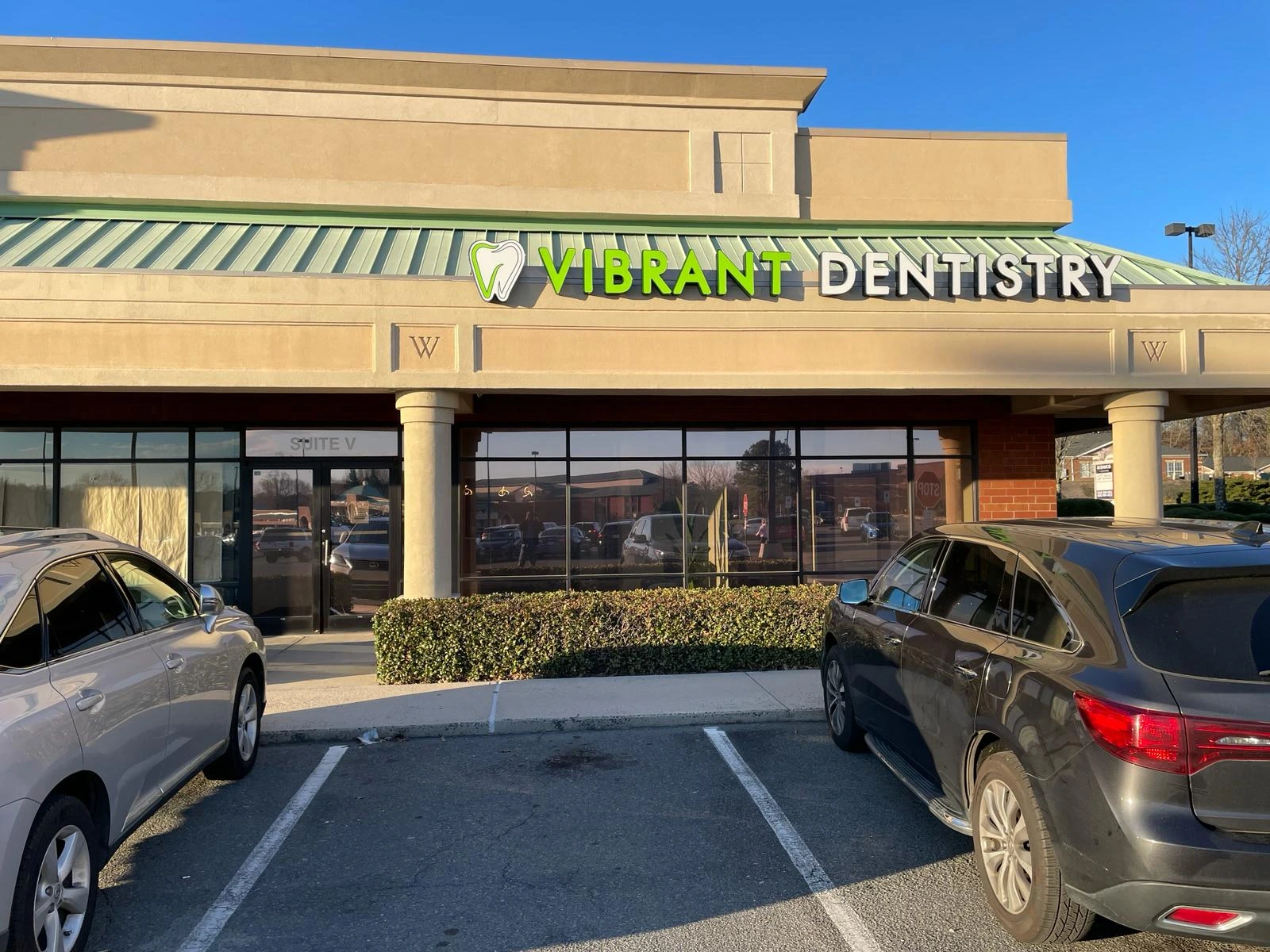
A crooked smile or persistent bite discomfort does not have to stay that way. For patients exploring Invisalign in Matthews, NC, clear aligner therapy provides a discreet alternative to traditional braces that fits into daily routines. The sections below cover how the process works, what to expect during treatment, and how to determine whether aligners are the right fit.
How Invisalign Works to Straighten Teeth
Each Invisalign treatment begins with a detailed digital scan of the teeth and jaw. Advanced 3D imaging allows the dental team to map out a precise movement plan, plotting exactly how each tooth needs to shift over time. A series of custom trays is then fabricated from medical-grade thermoplastic, with each set designed to apply targeted pressure to specific teeth.
This step-by-step approach matters because it allows the provider to preview the projected outcome before treatment even begins. Every tray in the series builds on the progress of the one before it, which is why consistency in wearing them is essential to staying on schedule.
Patients typically switch to a new set of aligners every one to two weeks. Each tray introduces a small amount of controlled force that nudges teeth closer to their ideal positions. The gradual nature of this movement reduces discomfort compared to traditional wire adjustments.
Because the trays are removable, eating, brushing, and flossing continue without obstruction. That matters because oral hygiene is often more difficult with fixed braces, and maintaining clean teeth throughout treatment tends to produce healthier results overall.
Common Dental Issues Clear Aligners Can Address
Crowding and Spacing
Teeth that overlap or sit too close together create hard-to-reach areas where plaque accumulates. Invisalign can correct mild to moderate crowding by creating space between teeth incrementally. Gaps between teeth, which sometimes result from natural jaw growth or tooth loss, can also be closed with aligners.
Addressing crowding early is important because prolonged overlap increases the risk of cavities and gum inflammation. Patients interested in maintaining long-term oral health can learn more about preventive dentistry in Matthews to complement orthodontic results.
Bite Misalignment
Overbites, underbites, and crossbites affect more than appearance. Misaligned bites can lead to uneven tooth wear, jaw discomfort, and difficulty chewing. Invisalign addresses many of these issues by repositioning teeth into a more functional arrangement.
Correcting bite alignment is particularly valuable because it reduces strain on the jaw joint. Patients who experience chronic jaw tension or headaches may notice improvement once the bite is properly balanced.
What to Expect During Your Invisalign Treatment
The first appointment involves a thorough evaluation of oral health, including an examination of the teeth, gums, and jaw alignment. Digital scans replace the need for traditional putty impressions, which is why the process is faster and more comfortable for you. The scan data generates a virtual treatment plan that shows projected tooth movement from start to finish.
During this visit, the provider discusses estimated treatment length, which typically ranges from six to eighteen months depending on the complexity of your case. You receive a clear timeline so you can plan accordingly.
Aligners should be worn for twenty to twenty-two hours per day. They are removed only for eating, drinking anything other than water, and oral hygiene routines. Discipline with wear time matters because falling behind on hours can delay results and extend your overall treatment timeline. Most patients adjust to the feel of the trays within the first few days of each new set.
Progress check-ins are typically scheduled every six to eight weeks. These appointments allow the provider to confirm that teeth are tracking according to plan and to distribute the next sets of aligners. Adjustments to the treatment plan can be made at these visits if any teeth need additional correction.
Invisalign Compared to Traditional Braces
One of the primary reasons patients choose Invisalign is the near-invisible appearance of the trays. Unlike metal brackets and wires, clear aligners do not alter the look of your smile during treatment. The smooth plastic edges also eliminate the irritation that metal components sometimes cause to the cheeks and lips.
This discreet quality is especially appealing to working professionals and adults who prefer not to draw attention to orthodontic work. Patients considering other ways to enhance the appearance of their smile may also explore options such as cosmetic dentistry services in Matthews.
Fixed braces come with a list of food restrictions, including hard, sticky, and crunchy items that can damage brackets. Because Invisalign trays are removable, you enjoy your regular diet without limitations. This flexibility is one of the most frequently cited benefits among adults who choose clear aligners.
Caring for Your Aligners and Oral Health
Aligners should be rinsed every time they are removed and cleaned thoroughly at least twice a day. Lukewarm water and a soft-bristled toothbrush work well for daily cleaning. Avoiding hot water is important because heat can warp the thermoplastic material and compromise the fit of your tray.
Brushing and flossing before reinserting aligners helps prevent bacteria from becoming trapped between the trays and tooth surfaces. Maintaining strong hygiene habits during treatment often leads to healthier teeth and gums than when you started, which is why providers emphasize this step at every check-in.
Patients interested in pairing orthodontic treatment with a brighter smile can explore professional teeth whitening in Matthews once aligner therapy is complete.
Frequently Asked Questions About Invisalign
How Long Does Invisalign Treatment Take?
Treatment duration varies based on the severity of misalignment. Mild cases may resolve in as few as six months, while more complex corrections can take twelve to eighteen months. Your provider establishes a personalized timeline during the initial consultation.
Is Invisalign Painful?
Most patients experience mild pressure or tightness when switching to a new set of trays. This sensation typically subsides within two to three days and indicates that the aligners are actively moving teeth. Over-the-counter pain relief can help manage any temporary discomfort.
Can Invisalign Fix Severe Crowding?
Clear aligners are effective for mild to moderate crowding. Cases involving significant skeletal discrepancies or severe rotations may require alternative orthodontic approaches. A comprehensive evaluation determines whether Invisalign is the best option for your individual case.
Are There Age Restrictions for Invisalign?
Invisalign is suitable for teens and adults whose permanent teeth have fully erupted. There is no upper age limit. Many adults in their forties, fifties, and beyond pursue clear aligner therapy successfully.
What Happens After Treatment Is Complete?
You receive a retainer to wear after the final set of aligners. Retainers prevent teeth from shifting back toward their original positions. Consistent retainer use is critical because teeth have a natural tendency to drift over time, especially in the months immediately following active treatment.
Vibrant Dentistry: How to Get Started with Invisalign in Matthews
Dr. Akinyemi at Vibrant Dentistry provides personalized Invisalign treatment plans using advanced digital scanning and 3D imaging technology. Each case is evaluated individually to determine the most effective approach for achieving a straighter, healthier smile.
You can visit the Vibrant Dentistry blog for additional information on dental health topics. To schedule a consultation or learn more about clear aligner options, reach out through the contact page or call (980) 357-6312.