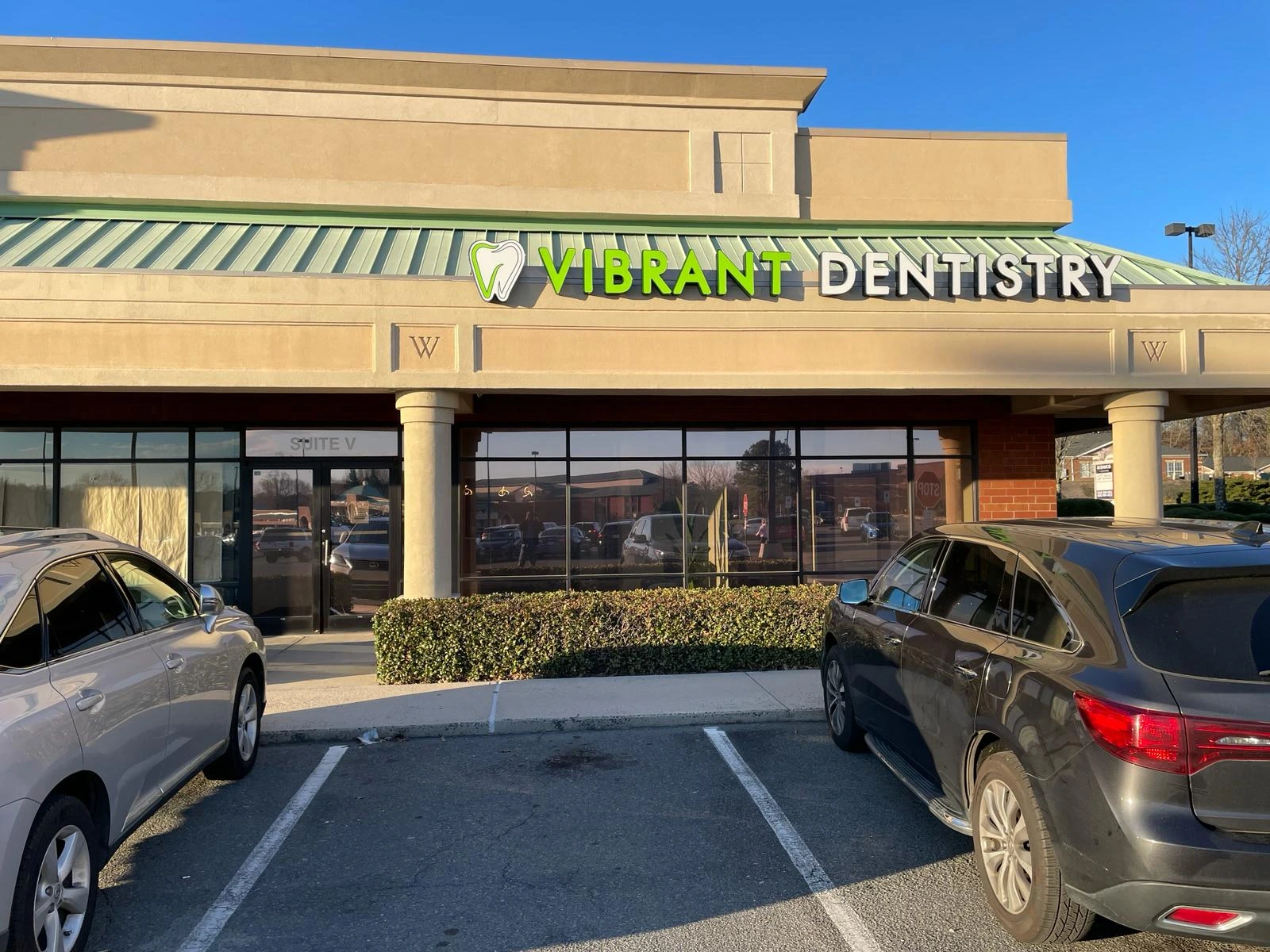
A sudden toothache or a chipped tooth during a weekend activity can turn an ordinary day into an urgent situation. For anyone searching for emergency dentistry in Matthews, NC, knowing which symptoms require immediate attention can make the difference between saving and losing a tooth. The sections below cover common emergencies, first-response steps, and how prompt treatment protects long-term oral health.
If you need to contact the practice about an urgent dental problem, visit our Emergency Dentist in Matthews, NC service page or call (980) 357-6312.
Recognizing a Dental Emergency
Pain That Does Not Subside
A toothache that lingers for more than a few hours or intensifies over time often signals an underlying issue such as infection, a cracked tooth, or deep decay reaching the nerve. Dull, throbbing pain that disrupts sleep or concentration warrants professional evaluation because delayed treatment allows bacteria to spread deeper into the tooth structure.
Intermittent sensitivity to hot or cold foods does not always indicate an emergency. However, sharp, spontaneous pain that occurs without any trigger is a different matter because true nerve involvement can escalate quickly, potentially leading to an abscess if left unaddressed.
Visible Damage and Swelling
Chipped, fractured, or knocked-out teeth require urgent care regardless of pain level. A tooth that has been completely dislodged has the highest chance of being saved when reimplanted within thirty minutes, which is why acting quickly is critical in these situations.
Facial swelling near the jaw or around a tooth often indicates an abscess, a pocket of infection that forms at the root tip or along the gum line. Without treatment, the infection can spread to surrounding tissues and pose broader health risks.
Fever accompanied by dental swelling is a warning sign that should prompt you to seek care the same day because early intervention prevents the infection from advancing.
First Steps to Take During a Dental Emergency
Managing a Knocked-Out Tooth
Handle the tooth by the crown rather than the root to preserve the delicate cells needed for reattachment. If possible, gently rinse the tooth with milk or saline and place it back in the socket. When reinsertion is not feasible, keep the tooth submerged in milk during transport to the office.
Time is the most critical factor because the periodontal ligament cells on the root surface begin to dry out within minutes. Reaching a dental provider within thirty to sixty minutes significantly improves your odds of successful reimplantation.
Controlling Pain and Protecting a Broken Tooth
Over-the-counter anti-inflammatory medication helps reduce both pain and swelling. Applying a cold compress to the outside of the cheek in fifteen-minute intervals limits inflammation. For bleeding, biting down on damp gauze or a tea bag creates pressure that encourages clotting.
A fractured tooth with sharp edges can irritate your tongue and cheeks. Covering the damaged area with dental wax or sugar-free gum provides temporary protection until a professional can assess the break. Saving any separated pieces is helpful because the provider may be able to bond them back in certain situations.
How Emergency Dental Treatment Works
The visit begins with a focused examination of the affected area. Digital X-rays and 3D imaging help identify fractures, infections, or damage beneath the gum line that may not be visible during a visual exam. This diagnostic step is essential because treatment decisions depend on understanding the full extent of the issue.
Treatment varies based on the nature and severity of the emergency. A severe cavity or cracked tooth that has reached the nerve may require root canal treatment in Matthews to remove infected tissue and preserve the natural tooth. Teeth that sustain structural damage are often restored with dental crowns to rebuild strength and function.
In cases where a tooth cannot be saved, a tooth extraction may be the most appropriate course of action to prevent the spread of infection to neighboring teeth. Your provider explains replacement options such as implants or bridges during the same visit so you can plan next steps with full information.
After the immediate issue is resolved, the dental team provides instructions for at-home care, including medication schedules and dietary guidelines for the recovery period. Soft foods are typically recommended for the first few days because chewing on a treated tooth too soon can compromise the repair.
A follow-up appointment is typically scheduled within one to two weeks to monitor healing and complete any additional treatment that was deferred during the urgent visit.
Preventing Dental Emergencies Before They Happen
Custom-fitted mouthguards reduce the risk of tooth fractures and soft tissue injuries during sports and recreational activities. Professionally fitted guards provide a more secure barrier than over-the-counter options because they are molded to the exact shape of your dental arch.
Avoiding hard objects such as ice, popcorn kernels, and pen caps also helps protect teeth from unexpected fractures. These habits may seem minor, but they contribute to a significant share of chipped and cracked teeth that lead to emergency visits.
Regular dental examinations allow providers to identify weakened teeth, early-stage decay, and failing restorations before they become emergencies. A small crack detected during a routine visit is far simpler to treat than a fractured tooth that splits under pressure weeks later.
Consistent preventive care is one of the most effective ways to reduce your likelihood of facing an urgent situation. Maintaining a schedule of routine cleanings and checkups gives the dental team repeated opportunities to catch small problems while they are still manageable.
Frequently Asked Questions About Emergency Dentistry
What Qualifies as a Dental Emergency?
Severe pain, uncontrolled bleeding, a knocked-out or fractured tooth, facial swelling, and signs of infection all qualify. Any situation that involves the risk of permanent tooth loss or spreading infection should be treated as urgent.
Should a Knocked-Out Baby Tooth Be Reimplanted?
Primary teeth are generally not reimplanted because doing so can damage the developing permanent tooth beneath. However, the child should still be evaluated to ensure no additional injury occurred to the surrounding teeth or jawbone.
Can a Cracked Tooth Heal on Its Own?
Tooth enamel does not regenerate. A crack, no matter how small, requires professional assessment because it can deepen over time and eventually reach the nerve. Early treatment often prevents the need for more extensive procedures later.
How Quickly Should You Seek Emergency Dental Care?
The sooner treatment begins, the better the outcome in most cases. Knocked-out teeth have the highest survival rate when treated within thirty minutes. Infections and abscesses should be addressed within twenty-four hours to prevent complications.
Is Emergency Dental Treatment More Expensive Than Routine Care?
Emergency visits may involve additional diagnostic imaging or procedures beyond a standard checkup. However, the cost of delaying care is often higher because untreated emergencies can lead to more complex and expensive treatments down the road.
Vibrant Dentistry: Prompt Emergency Care in Matthews
Dr. Akinyemi at Vibrant Dentistry provides focused emergency dental care using advanced diagnostic technology, including digital X-rays and 3D imaging, to evaluate urgent situations quickly and accurately. Every treatment plan is tailored to your specific needs, prioritizing both immediate relief and long-term oral health.
For current office availability and information about urgent dental care at Vibrant Dentistry, visit our Emergency Dentist in Matthews, NC service page or call (980) 357-6312.